

Professional Courses &
Continuing Education
In partnership with CUNY Kingsborough Community College
Gotham Bat Conservancy offers professional training programs designed for wildlife, environmental, and conservation professionals seeking practical skills and continuing education opportunities. These courses combine academic partnership, field-based instruction, and industry-relevant experience.
Our programs are designed for biologists, environmental consultants, students, educators, agency staff, and other conservation practitioners who want to strengthen their expertise in wildlife monitoring, acoustic technologies, habitat assessment, and applied conservation science.
When registering, search the category Wildlife Conservation Science for our course selections.


Expert Instruction
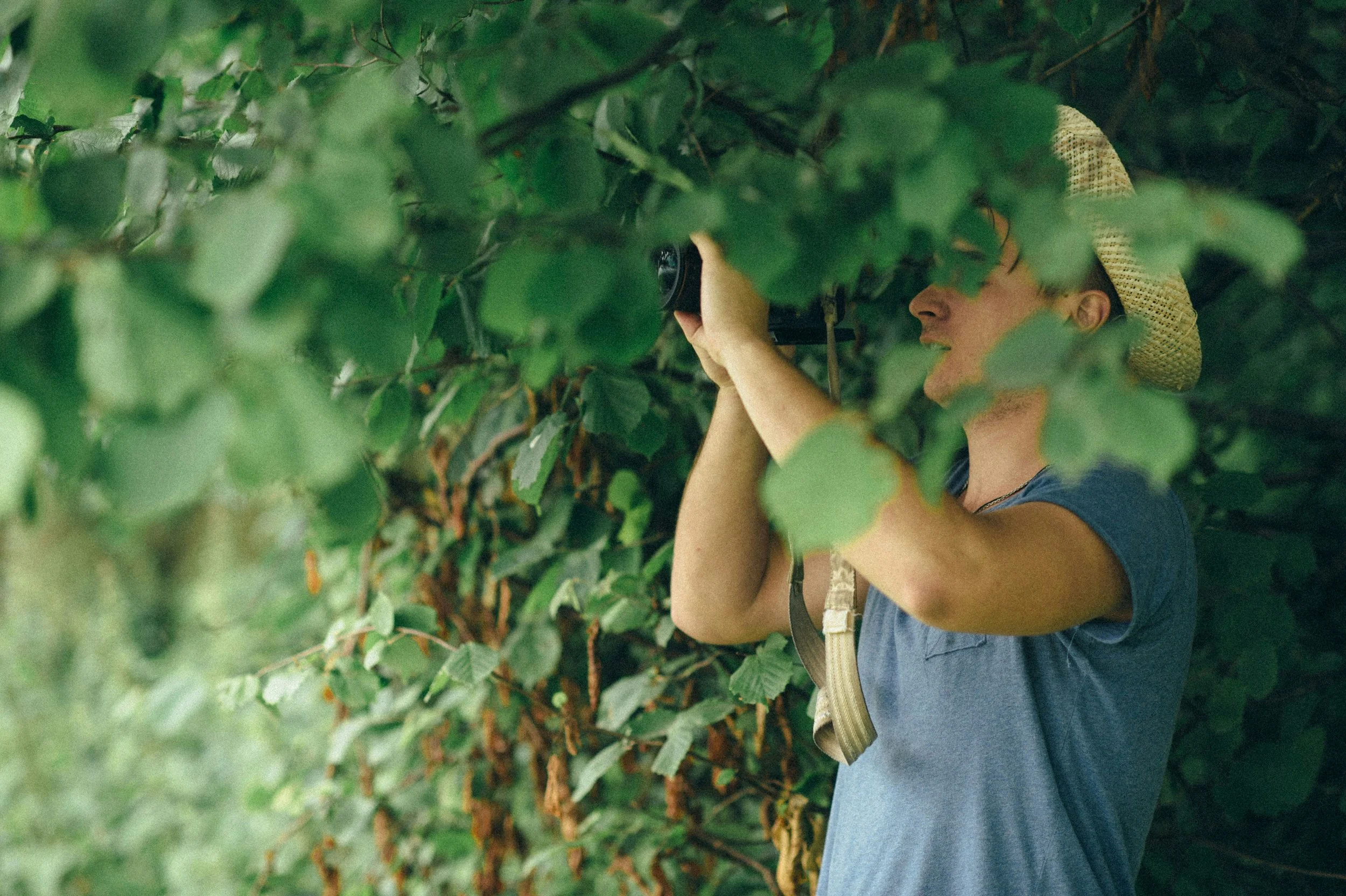
Learn from practicing field biologists and conservation scientists.

Hands-on Training
Build practical skills through field exercises and real-world scenarios.

Continuing Education
Earn documentation of successful completion for professional development purposes.
Environmental consultants
Wildlife technicians
Biology and environmental science students
Government and nonprofit staff
Educators and natural resource professionals
Individuals preparing for field-based conservation careers
Who These Courses Are For
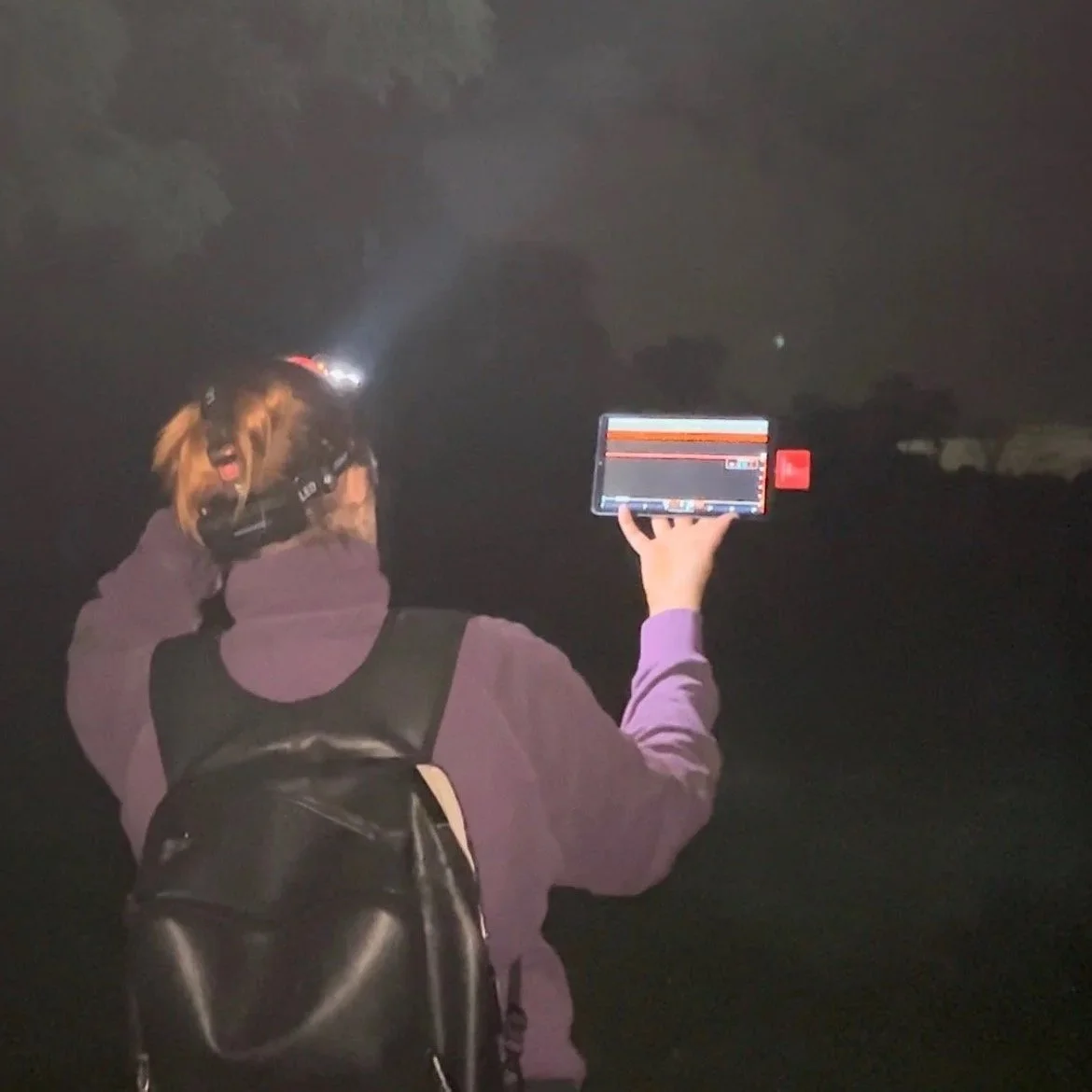
Instruction grounded in active research and field operations/practices
Small-group, hands-on learning
Access to professional monitoring equipment and workflows
Training delivered in collaboration with higher-education partners
Courses designed to support continuing education and workforce development goals
Why Train With Us
Bat Monitoring Intensive Course
Course Description:
Mondays, Tuesdays, & Wednesdays: 6:00p-10:00p
September 14 - 23
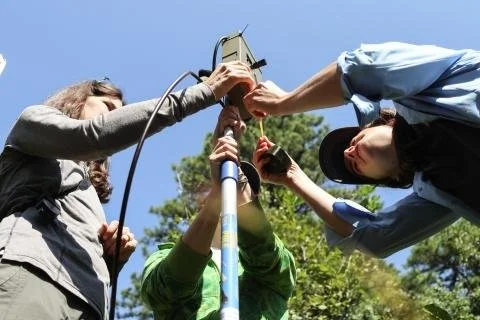
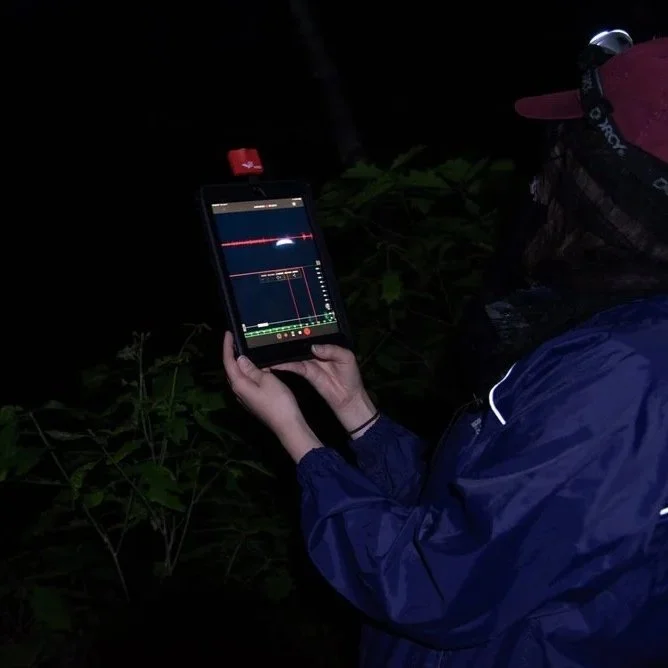
This intensive course provides specialized training in field methods used to identify, speciate, and monitor bat populations. Participants gain hands-on experience with acoustic monitoring, detector deployment, emergence counts, and survey design, along with an introduction to echolocation call characteristics and data interpretation.
Field-based instruction is paired with classroom sessions focused on equipment use, data management, and applied workflows used in consulting and research contexts. Participants work with industry-standard tools and protocols to simulate real-world monitoring scenarios.
This course is designed for individuals seeking to develop or demonstrate technical competency in bat survey methods for use in environmental consulting, research, and compliance-related projects.
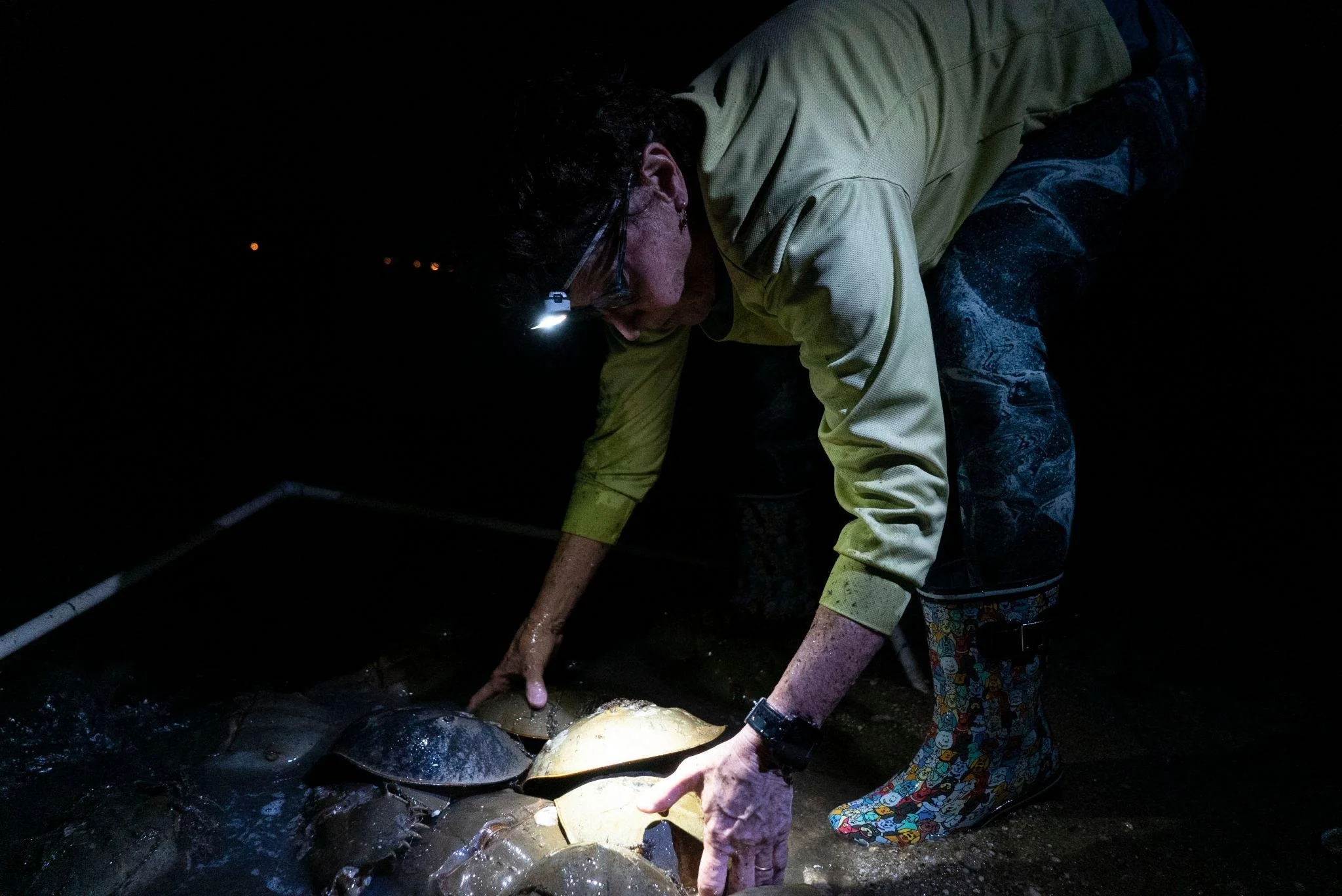
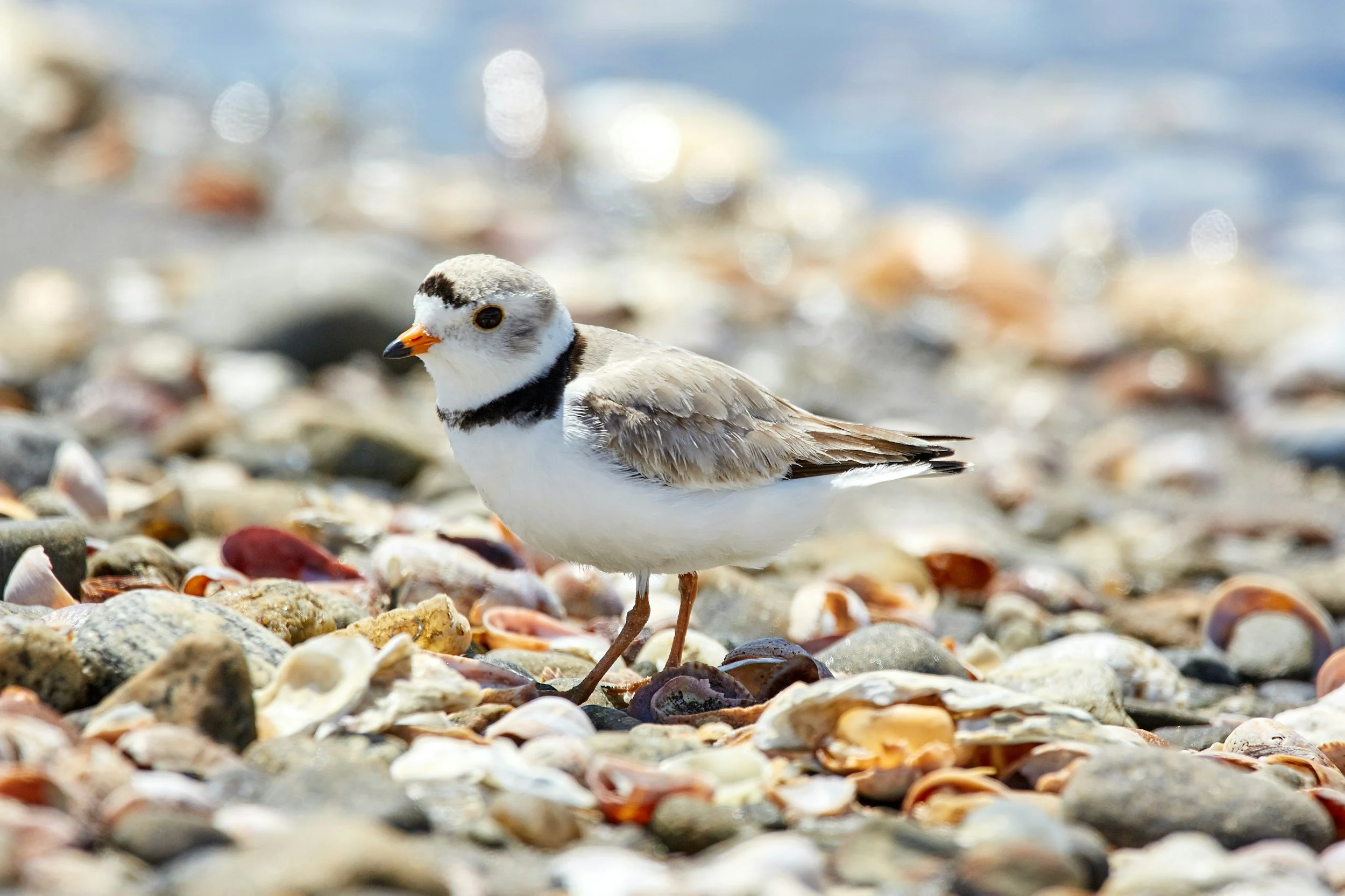
Wildlife Monitoring Methods & Field Training
Course Description:
Spring 2027
This course provides a broad introduction to field methods used to monitor wildlife across urban and coastal environments. Participants are trained in foundational survey techniques, including transects, point counts, and observational methods, along with standardized data collection and field documentation practices.
The course incorporates multiple taxa relevant to the New York region (Northeast and Mid-Atlantic), including avian species (songbirds, raptors, shorebirds, and waterfowl), bats (introductory level), and coastal species such as the Atlantic horseshoe crab and Atlantic Sturgeon. Participants also gain experience evaluating habitat conditions and understanding environmental factors that influence species presence and activity.
Emphasis is placed on consistency, accuracy, and working effectively in field settings. This course prepares participants for technician roles in wildlife & environmental consulting fieldwork.
GIS and Environmental Data
Course Description:
Mondays & Wednesdays
6:00p-9:00p
October 19 - November 4
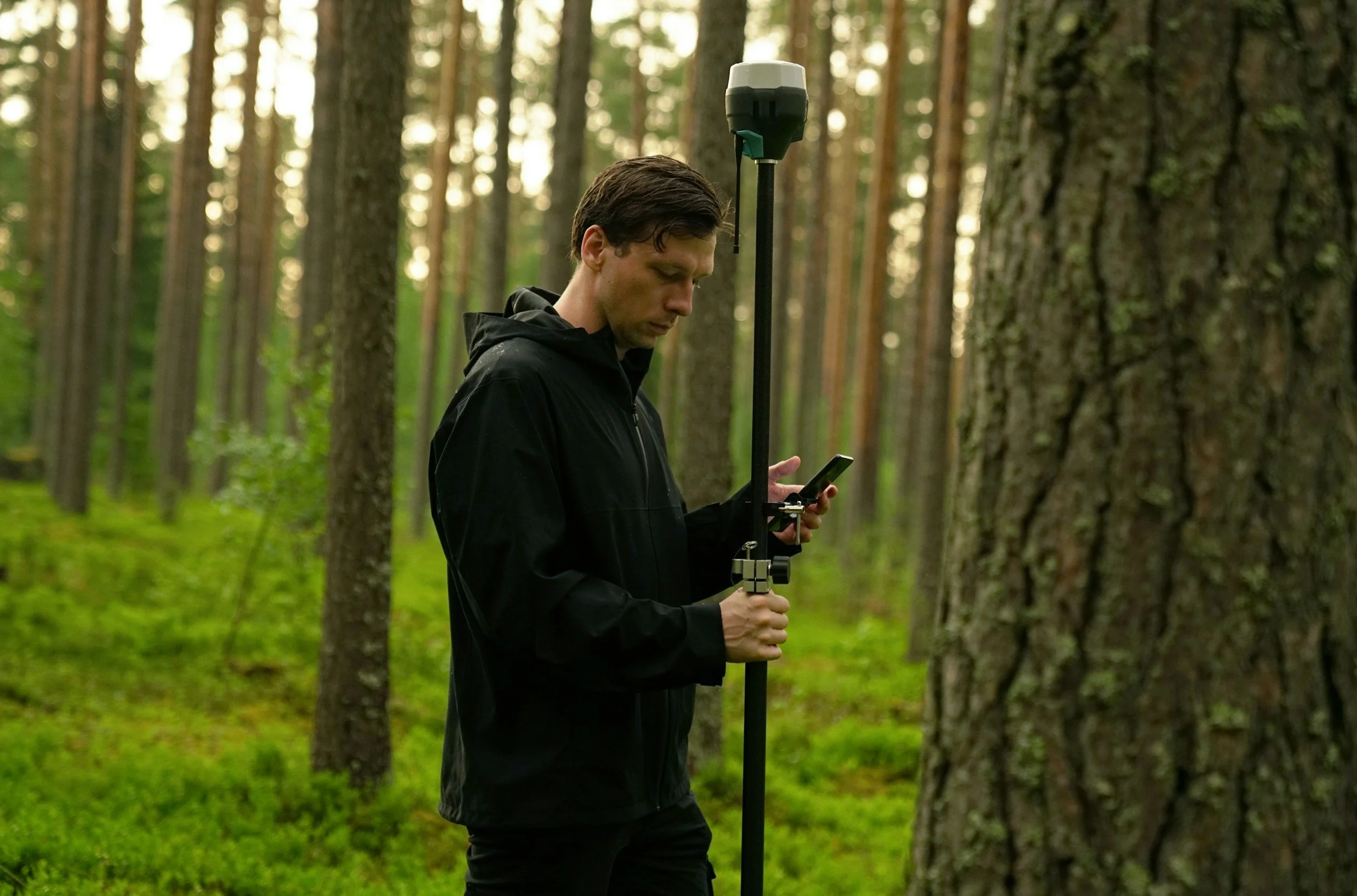
This course provides applied training in the use of geographic information systems (GIS) and environmental data management for wildlife and ecological projects. Using QGIS, participants learn to import, organize, and visualize spatial data, create professional-quality maps, communicate scientific data, and support environmental reporting workflows.
The course also introduces principles of data quality assurance and quality control (QA/QC), including data cleaning, validation, and standardized formatting. Emphasis is placed on practical workflows used in environmental consulting and monitoring programs.
By the end of the course, participants will be able to manage spatial datasets, perform basic analyses, and produce maps and data outputs suitable for project documentation.
Protected Species Observer Certificate
Course Description:
Tuesday, Wednesday, Thursday
October 5 - 8
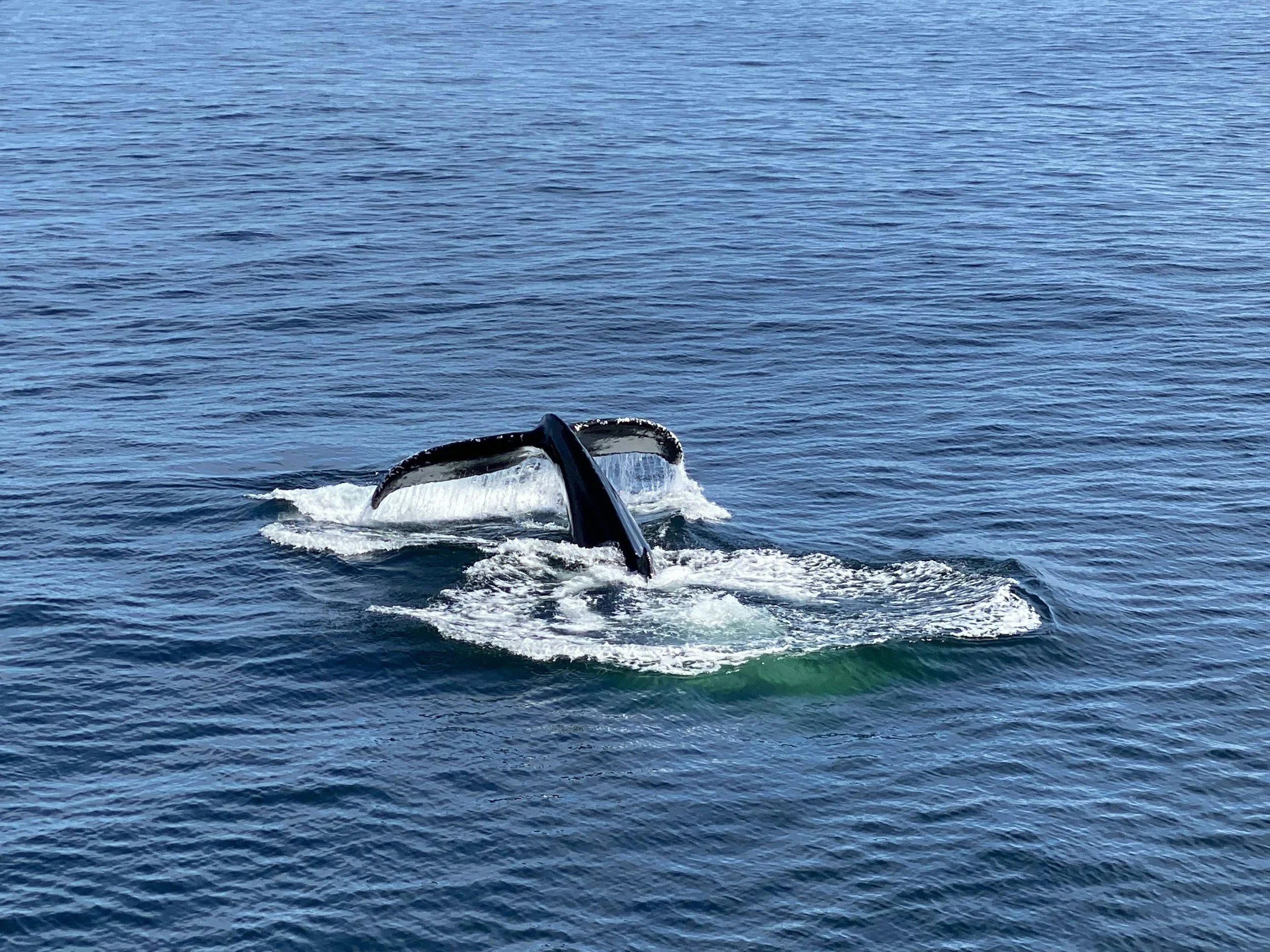
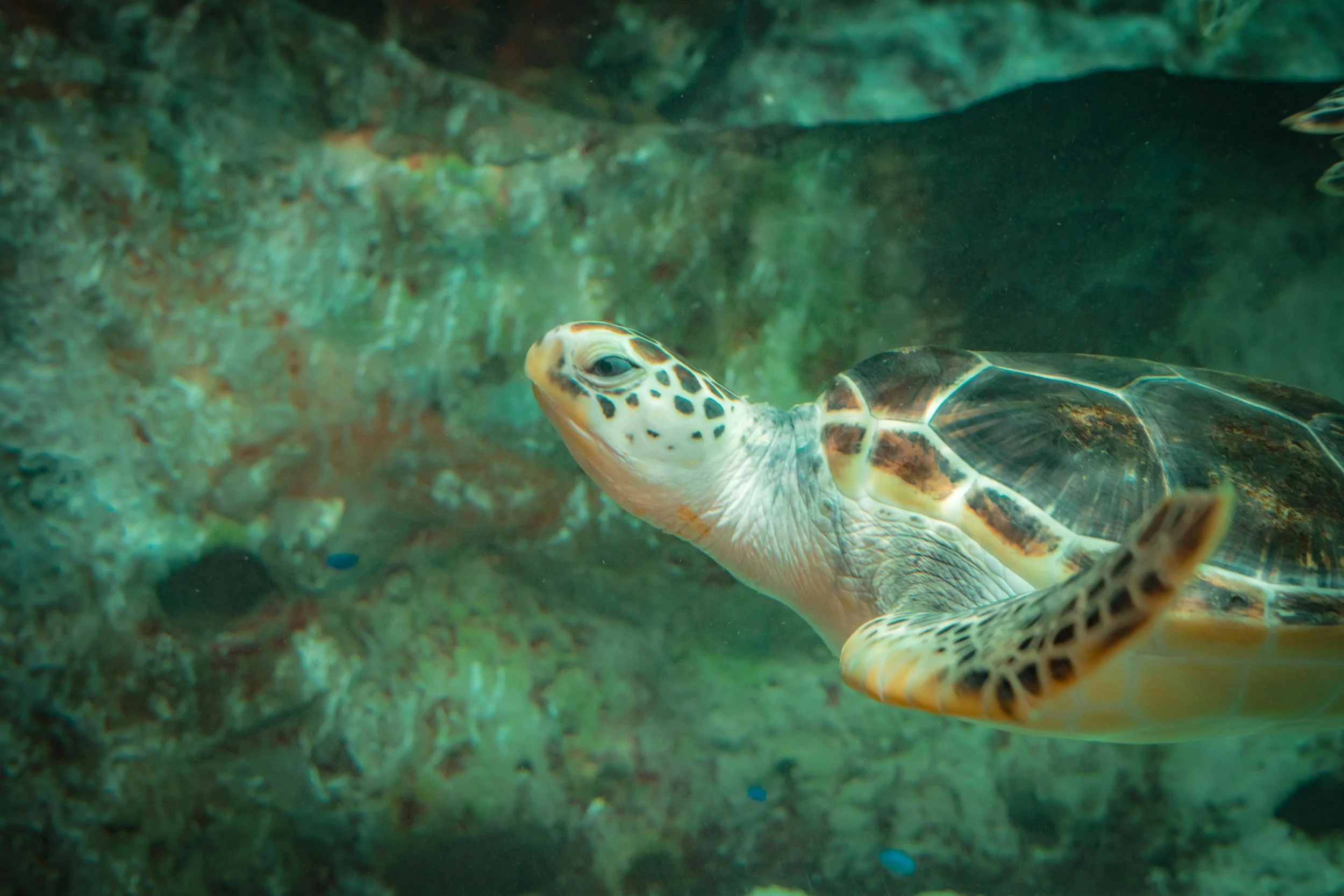
This course provides professional training for individuals seeking to work as Protected Species Observers (PSOs) in marine and offshore environments. Participants develop skills in marine life identification, observation protocols, and standardized data collection used in environmental compliance and mitigation monitoring. Marine taxa focus includes: large whales, dolphins, sea turtles, rays, sharks, and sturgeon.
Instruction covers visual detection techniques, environmental conditions affecting observation, real-world monitoring scenarios, legal mitigation protocols, and other required adherence to guidelines set forth by NOAA. Emphasis is placed on accuracy, consistency, and clear documentation under field conditions.
This course prepares participants to support offshore monitoring efforts associated with construction, energy development, and research activities.